


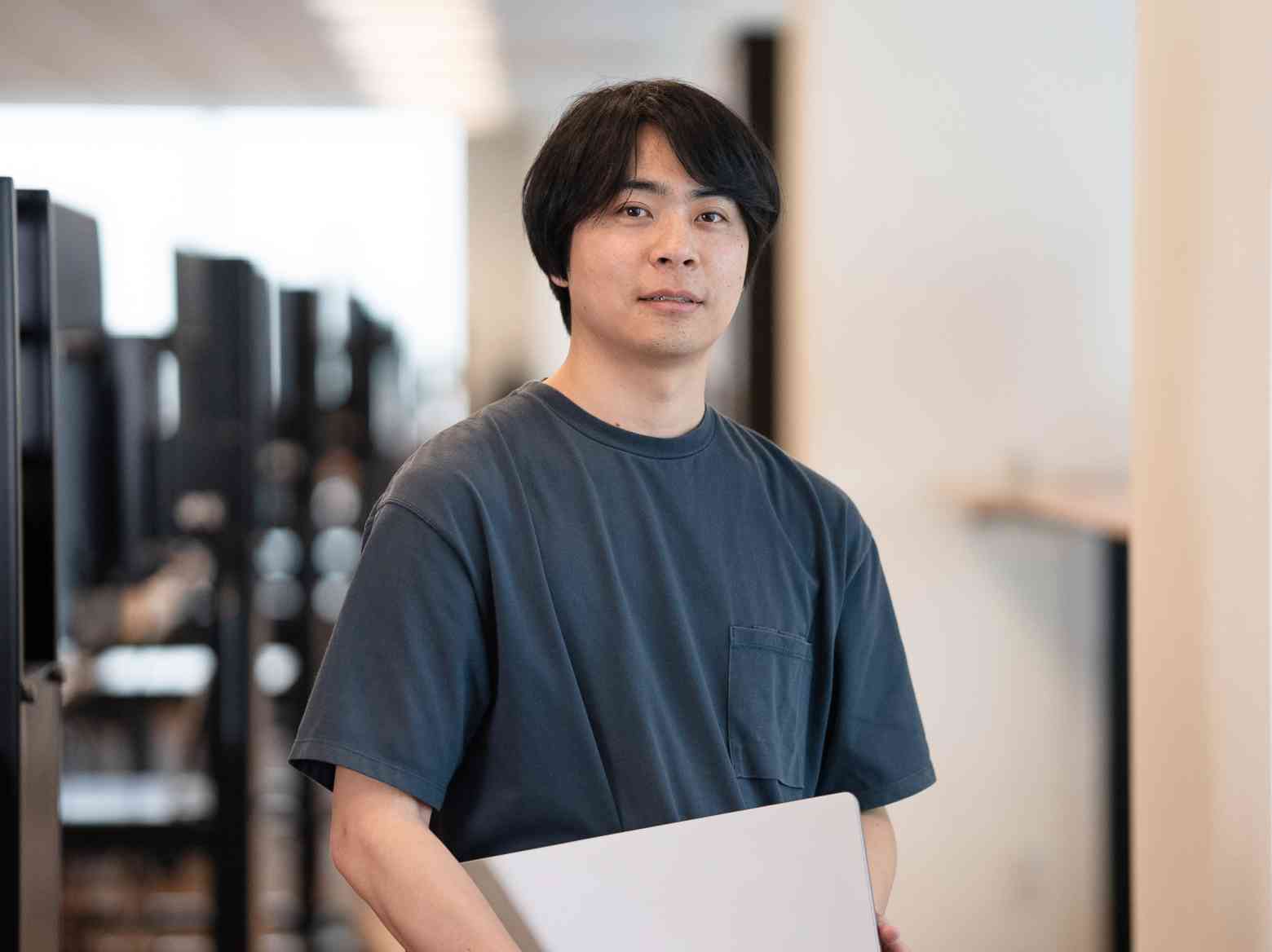
Welcome back to PayPay Professionals, a snapshot into the incredible professionalism of the pros that drive the PayPay group.
This time, we interviewed Uno-san, leader of the Payment & Infra Android and App Operation teams, about his recent major projects, motivation and values at work.
Yuto Uno
Manager, Payment & Infra Android, Technology Department, Payment Product Division
(Concurrently) Manager, App Operation, Technology Department
I joined PayPay in 2020 after working as a web frontend engineer (PC/iOS) at an IT company. At PayPay, I switched from iOS to Android development, which I had no experience in, and became a Tech Lead. I then worked as Engineering Manager and Tech Lead for the CoreApp Android Team and as Tech Lead for the peer-to-peer money transfer (P2P) area. I am currently the Manager of both Payment & Infrastructure Android and App Operation. I enjoy watching soccer.
Intent to Creating Amazing Products: Unwavering Passion as an Engineer
It has been four years since you joined PayPay. Have there been any changes in your mentality?
As a new graduate, I joined an IT company because I wanted to make great products that would impact the world. As I gained experience as a frontend engineer (PC/iOS versions), I became more eager to work in an environment where I could develop more aggressively as an engineer and grow further, so I joined PayPay in 2020.
At the time of the last interview, I was also doing a lot of coding and reviews. Ever since becoming a manager, though, I’ve spent more time making decisions for the team, holding meetings, and coordinating with all the relevant parties. Although I don’t write code as much anymore, I’m still as passionate about creating great apps that make a difference in the world.

I understand that you took parental leave after our last interview.
PayPay is a fast-paced environment, so work is always busy, to be honest. But we have a system that allows me to value my personal life and still get the job done. I took a month of parental leave about a year and a half ago. In hindsight, it would have been fine had I taken a more extended leave (laughs). Many people at PayPay are self-driven. So, each team member actively and cooperatively worked toward the mission we needed to accomplish during my leave and took charge of completing the tasks.
Improving PayPay App Performance. The Experience of Going Through a Major Project.
Tell me about your team’s mission.
I currently oversee the Payment & Infra Android and App Operation teams as a leader. Both teams’ common mission is to deliver new value to users through new feature development, maintenance, and design improvements and continue to provide high-quality apps.
In this context, I personally set goals by pinpointing what the team can specifically do to set our course toward the direction the company is heading, explain to the team what and when things need to be done, communicate one-on-one with the team members to check progress and provide advice, and promote the achievement of goals. It is difficult to achieve results unless we are all on the same page, so I always make it a point to clarify to the team what we want to accomplish.
Are there any particularly memorable projects?
I would say the consumer-facing “App Performance Improvement Project.” It has been about five years since the PayPay app was launched, and we have provided various experiences to many registered users (63 million as of the End of March 2024). However, there are still some areas that we could improve to increase user satisfaction and convenience further. Just as I was feeling this way, there was a discussion within the company about the need to monitor and improve the app’s performance regularly. I was very eager to take the project forward so volunteered to take part in it.

The project began with a performance assessment, measuring how fast the PayPay app’s home screen, barcode screen, and wallet screen were displayed. After defining key metrics, we implemented measurement functions in both the Android and iOS apps, compiled the collected data into a document, improved the UX, and analyzed the performance of each SoC (System on a Chip). In the beginning, there were only a few project members, and we had a lot of work to do. We were totally swamped.
When setting KPIs, we considered the ideal values we should aim for from the user’s perspective. For example, barcode display time and data cache time should be within XX seconds each. The environment in which users use PayPay and the performance of their devices vary, so instead of using an average value, we set a 90th percentile that almost all users would experience in the same way. That was a pretty aggressive setting in retrospect (laughs).
To achieve the goals we had set, I went around to the team and the people involved in each product line, carefully explaining the significance of this project and what improvements were needed. The positive and cooperative attitude of my team members and other stakeholders definitely helped me. PayPay has many developers who love technology and care about making good products, so we were able to work towards the same goal.

As a result of our continued efforts, we improved the startup speed and screen display speed for both iOS and Android. In particular, the Android startup speed was enhanced by more than 40%. It may not be a visible or tangible difference, but we believe that it made a difference in users having a stress-free experience on our app. In addition, the barcode screen now supports cache display, which enables instantaneous display. These enhancements have improved the UX for both online and offline payments. Ultimately, we created better offline and online UX.
In this project, I had to communicate with numerous product lines to achieve our goals. It was a different kind of challenge compared to working solo, where only I would need to put in the effort. In the end, however, we significantly improved the app’s performance, which was very rewarding. Once again, I’d like to thank the app team members who worked together on this project with the same dedication.
Driving towards Further Growth of the FinTech Industry. The Relentless Pursuit Continues.
What do you want to accomplish in the future?
Actually, we still have a long way to go in improving the performance of the app. Over the past year or so, we have enhanced the app performance and UX, but we will continue to strengthen our monitoring system and work as a team to provide users with an even better quality app.
What do you find most enjoyable and rewarding about working at PayPay?
The best part of working at PayPay is feeling close to our users. PayPay has more than 63 million registered users (as of the End of March 2024), and it’s no exaggeration to say that it has now become a social infrastructure service. It’s great knowing that your work supports the users and the society.
One of PayPay’s 5 senses is “Believes in our Product & Team. Enjoy growing together, believing in the product, our teams and that we will be the no.1 FinTech company in the world.” I like this phrase, and I’d like to continue to make Japan’s FinTech industry even better through product creation.

Finally, do you have any message for our readers?
If you’re interested in shaping the future of Japan’s FinTech industry together, please come to PayPay. You will meet many colleagues versed in technology that contributes to the industry’s growth and development.
People with experience in other areas are also very welcome. In fact, our colleagues come from a diverse background, not necessarily limited to the FinTech industry.
At PayPay, one of our core values is to “Be sincere to be professional.” As professionals, we will continue to create opportunities and new value without compromise, and work through to the end. Regardless of your background, if you are interested in FinTech, want to make incredible products, and seek to create an environment where other developers can do their magic with ease, I think you will enjoy working with us very much. We’re looking forward to working with you!

Current job openings
*Job openings and employee affiliations are current as of the time of the interview.