


Launched in 2018, PayPay has grown into a mobile payment service with 62 million users (as of February 2024), or one in every two smartphone users in Japan. Boasting a diverse team, there are now engineers from approximately 50 different countries and regions around the world.
The Pay2 Dev Speaks series gives the latest on the Pay2 Development Center (Pay2DC), PayPay’s first overseas development center launched in India in October 2022, through the unique voices of the team on the ground.
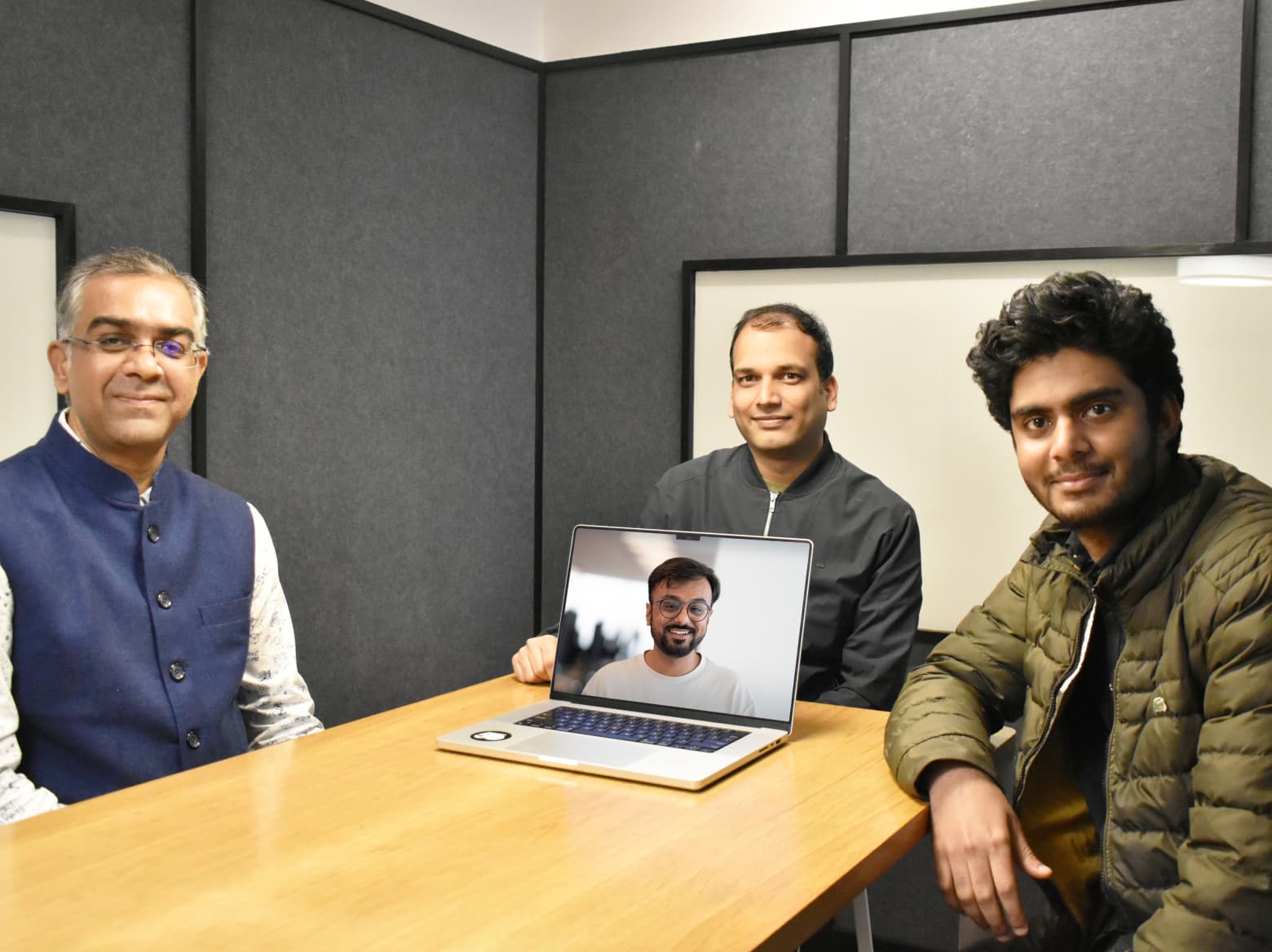
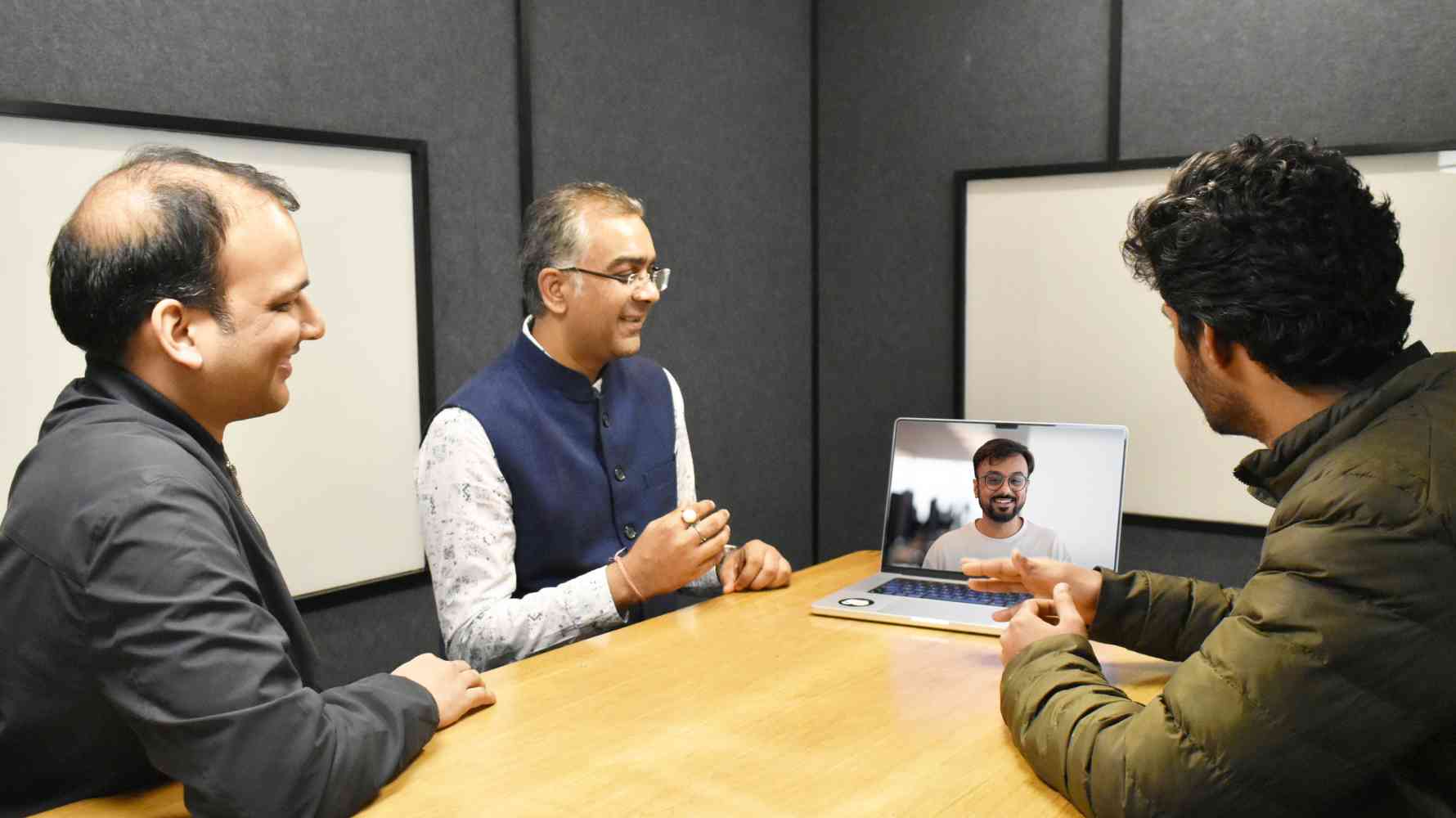
In a cross-border interview between Pay2DC in India and PayPay’s office in Takeshiba, we sat down with the four people who played key roles in creating the “Coupons for Hard Workers,” a promotional campaign in Nara Prefecture utilizing digital coupons, who gave us a glimpse of what went on behind the scenes. Three of the members are based in Pay2DC (EM, QA, and BE roles) and one from Japan, who joined the project as PDM.
*Pay2 Development Center changed its name to PayPay India on May 30, 2024

Vivek Kumar
Engineering Manager, Pay2DC
With nearly 20 years of experience in the financial industry, I have a wide range of experience including enterprise application development, product engineering, system architectures, machine learning, and AI. Enticed by the idea of a fintech startup, I joined Pay2DC in April 2023.
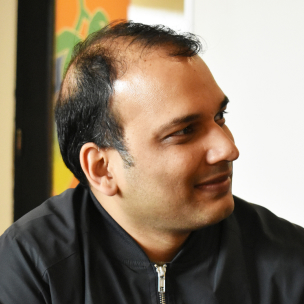
Himanshu Singal
Senior QA Engineer, Pay2DC
Initially a software engineer, I have experience as a QA consultant and QA Manager. I joined the team in June 2023 as a professional tester 11 years in the making, and am grateful of the environment at Pay2DC which allows for even more learning and growth!
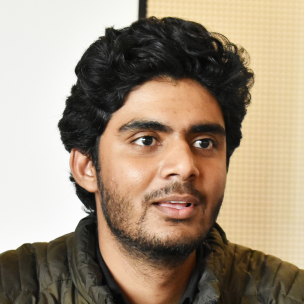
Nitin Bhardwaj Komaravolu
Senior Backend Engineer, Pay2DC
After 5 and a half years of developing experience in the B2B area, I joined Pay2DC in August 2023 to engage a service that is closer to the end user. Being new to fintech, every day comes with something new to learn!

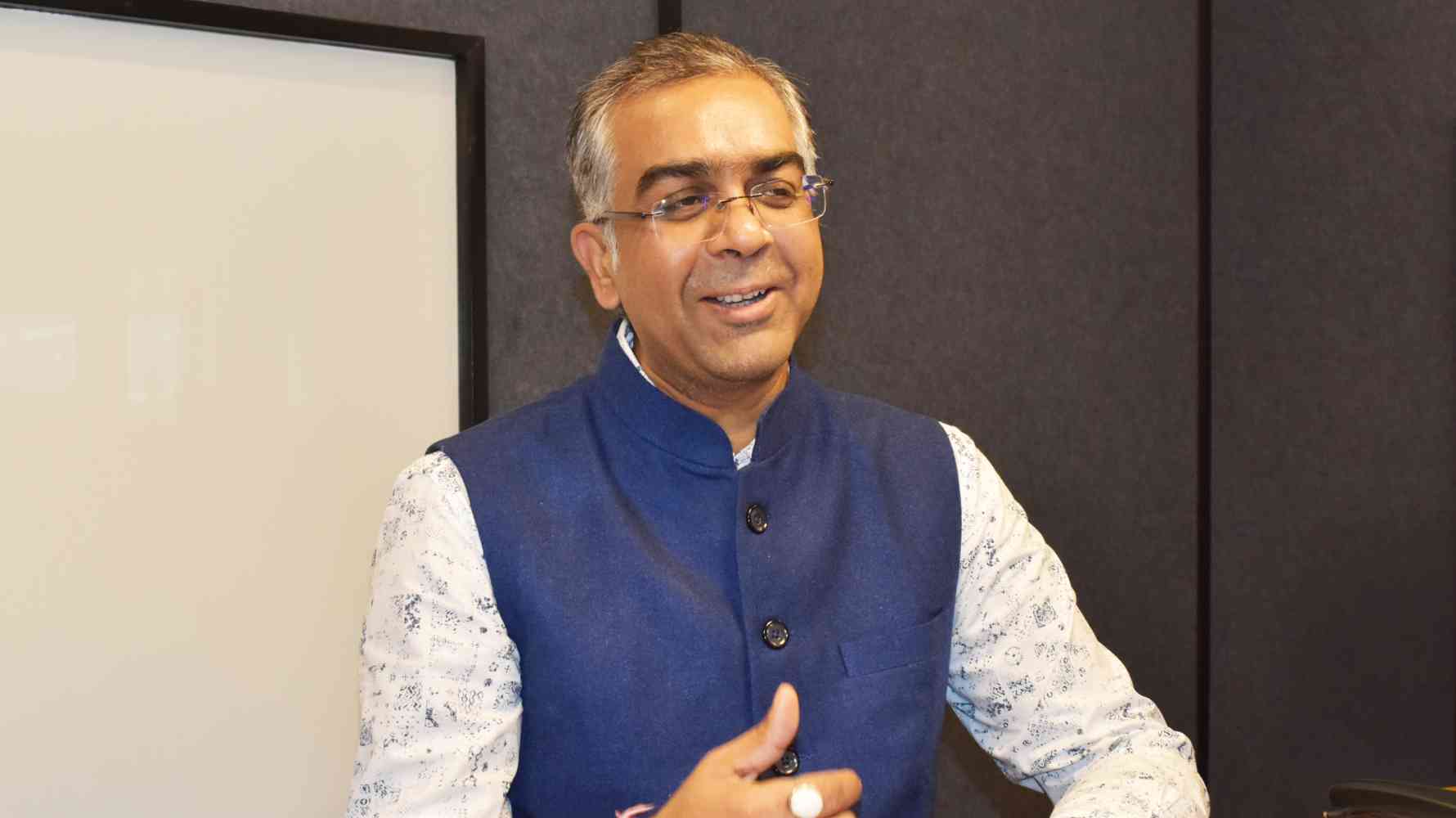
Akash Govani
Senior Product Manager, PayPay
I joined PayPay as a Product Manager in November 2021 after working as a PM, PDM, Evangelist, and TPM. I am a member of PayPay’s Product Team, responsible for merchant facing services. I spend my days deepening my understanding of the Japanese user while endeavoring to achieve the traditional Japanese philosophy of co-existence and co-prosperity at PayPay!
Table of Contents
Reasons for joining the team
Pursuing even more growth in an already high-growth Japanese fintech business
Vivek:
After spending close to 20 years in jobs at various banks, I found myself attracted to the idea of working at a fintech startup in recent years. I felt that this domain has more potential and opportunities that legacy banks can’t offer. That was when I heard that PayPay was opening an offshore development center in India, Pay2DC, and I saw it as the chance I’d been waiting for. The company is growing rapidly, offering many exciting opportunities. The biggest appeal though was that I could be part of the “0 to 1” process of creating a new foothold.
Himanshu:
I joined Pay2DC after a former colleague, who later joined PayPay, recommended it to me. I’d been to Japan on multiple occasions in my previous job and had seen firsthand the spread of digital payments and PayPay, compared to seven or eight years ago when digital payments were basically non-existent. So when I heard about Pay2DC, there wasn’t much else to think about. I was very excited about working in the fintech industry for the first time, and even more so, being able to do that alongside all the talented people gathered in a company leading the Japanese fintech industry.
Nitin:
I applied to join Pay2DC after a friend from college recommended it. Having worked in B2B for around seven years, I’d been wanting to shift to a service that is used by the end user frequently in their day-to-day life. I also was attracted to the mindset of the people at PayPay and Pay2DC.
Since it was my first time to work in fintech and engage in a mass-scale service like PayPay, I felt like a student newly joining Hogwarts, stepping into a new and fantastic world.
Mission and role of the project
Big social significance but very tight schedule! Everyone is focused on how to get the job done
Nitin:
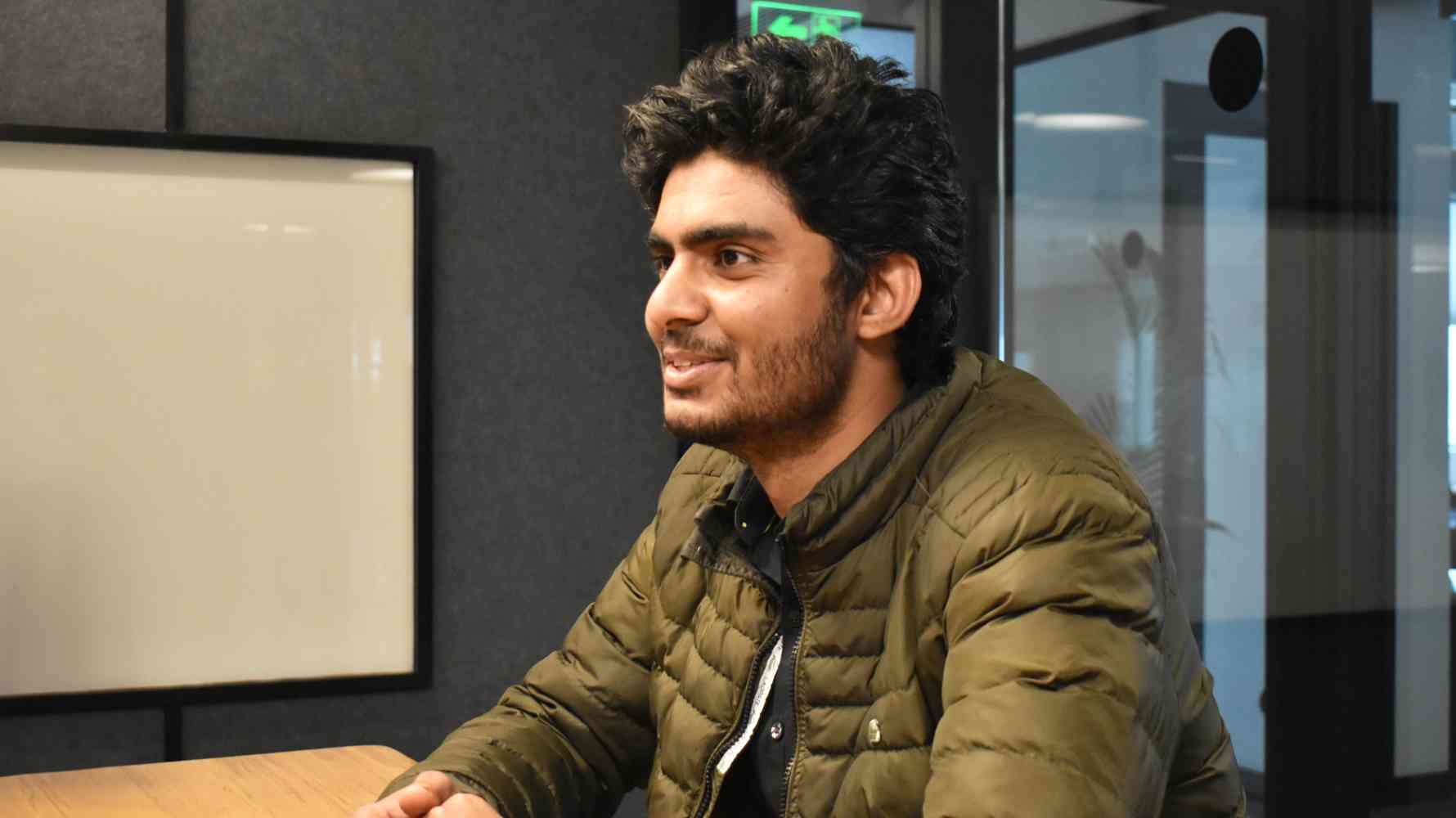
This project was the first time that PayPay Gift Vouchers, the product our team looks after, was to be used by a local government as a measure to revitalize their local economy. To be more specific, the promotional campaign was for residents living in the prefecture, allowing up to 150,000 people selected by lottery to purchase a PayPay Gift Voucher worth 15,000 yen at the price of 10,000 yen. Our mission was also to automate the process as much as possible so that it could be later rolled out across other use cases.
As the senior backend engineer, I strived to deliver a highly available, high-quality product and to ensure that no unexpected behavior or problems occurred before deploying the product into the production environment.
Akash:
My role in this project was to support the Pay2DC team as Senior Product Manager from PayPay’s side.
The Japanese economy has come to a historical turning point, with inflation hitting the country. Each municipality is focusing on stimulating their respective local economy, and as for PayPay, our hopes are for the various local governments to use PayPay’s platform for the resident-facing promotions they are planning. Let me add, that using our platform will enable a seamless experience to users. So anyway, the project with Nara Prefecture was set in motion with the expectation that other local governments would approach us with similar demand.
Just one thing, the schedule was impossibly tight… (laughs & sighs) I was required to navigate some rough tides as the product manager.

Himanshu:
As the QA lead my mission was all about ensuring quality. This was also my very first project at Pay2DC. How to guarantee the user experience was also important.
Vivek:
The tech team first received notice about this project in early July, at which point, the deadline was already fixed for October 2, leaving not much time at all. I believe everyone on the team was thinking the same thing, that it’s impossible (laughs & sighs). I also want to add that the requirements and design were unfixed as well, so basically we had to plough on amidst a lot of unknowns. As the engineering manager, I worked with the product team to confirm the requirements and establish a feasible schedule while ensuring the two pillars of speed and quality. It was by setting up three sub-phases that we were able to meet the deadline while maintaining high quality.
Challenges and growth
A team full of new members learning while delivering, but no compromise on speed or quality
Vivek:
Both development and QA teams were newly established teams, with members who had just joined the company and unaware of various processes. This made maintaining quality and speed a rather big challenge. The bright side was that all project members were determined to get things done, given the importance of the project. I also focused on designing an architecture that could be re-used in the future. We had repeated detailed discussions with the product team about the priorities of Day 1 and whether there were any requirements that could be left until Day 2, which is how we managed to get things done in time.
With each detail in the service launch plan that was finalized, things started feeling more and more real and exciting.
That’s not to say that everything was going smoothly though. For example, the first performance test exposed the fact that the transactions per second (TPS) requirement was not satisfied. What followed was like riding a jet coaster, scrambling to get to the root cause and then fixing it. There were many other challenges, so I’m very glad that in the end we could release the product without any issues, and now we are seeing good results.
Himanshu:
As Vivek said, there were many new members working on this project, so we were onboarding them in parallel to driving the project. The big challenge for the QA team was that it was important for us to understand the business itself. I think focusing on that point is what led to a swift delivery of a high quality product to the user.
On a personal note, I was also able to learn about the fintech way of things from a technical perspective, including learning good QA processes that are speedy yet produce good quality. I have a career of 11 years, but I still picked up some good processes that I encountered for the first time at Pay2DC. That was a moment that made me happy about having joined the team.
Nitin:
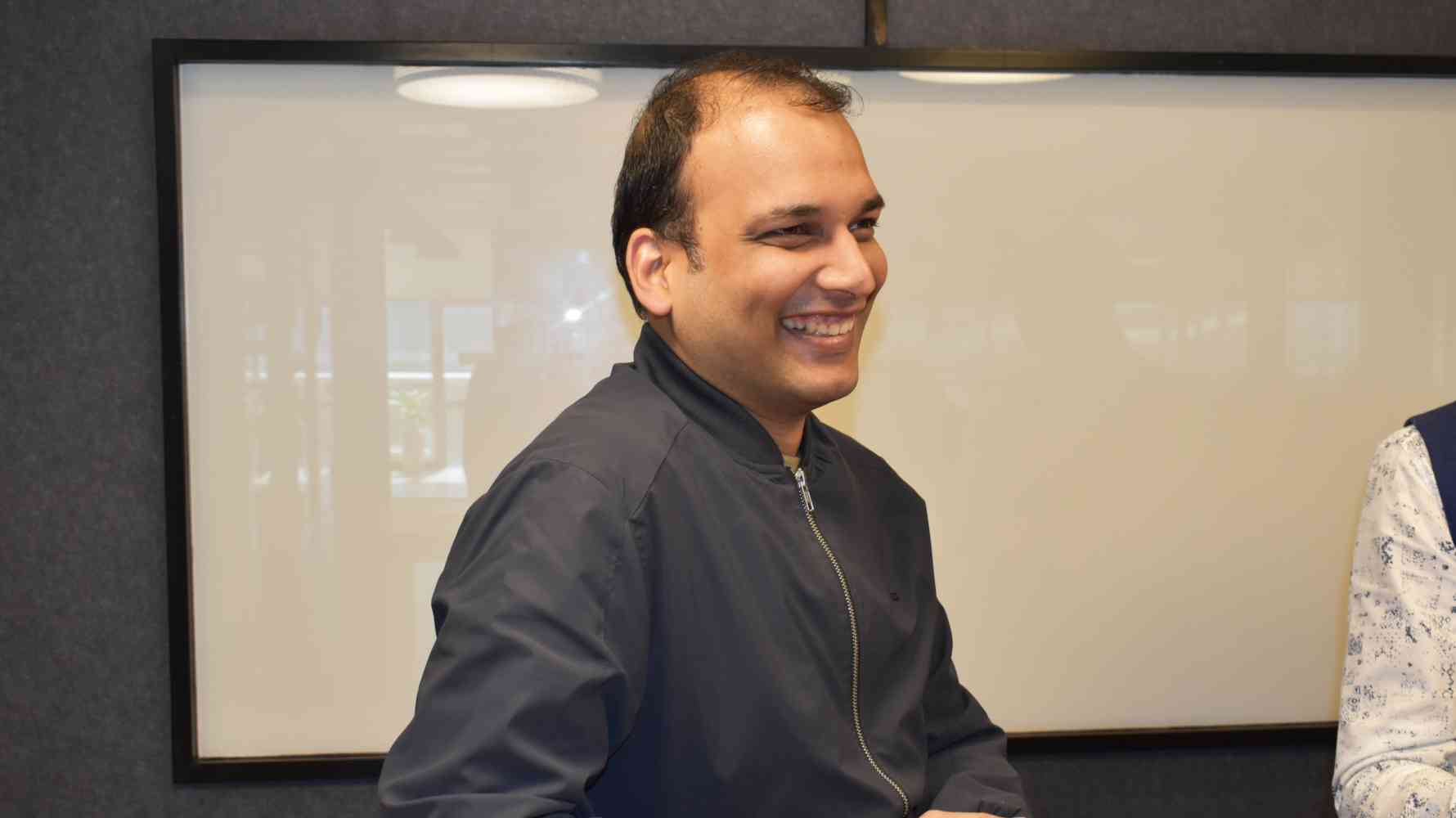
The challenge for me was that this project involved a lot of manual operations. With many new members, I made a list of things to be checked in the production environment, and we used this list to quickly fix any issues that occurred.
While I was able to learn new technical things, the biggest learning for me was about keeping a positive approach. I think this isn’t something that can be taught, but rather, something you realize by yourself. Through this project, which involved figuring out how to meet the deadline, and how to get the job done earlier than planned, I personally learned how important it is to maintain a positive approach.
Akash:
Working on the project with a brand new team was nerve-racking for me too, since I was joining from across the ocean. With a very tight timeline, my challenge was about how to explain things to the development team to boost their morale. It was necessary for all the developers on the Pay2DC team to put their best efforts into the project, but at the same time I had to be careful so no one burned out. So I tried to absorb any other external pressure that came our way, to save the team from worrying about it and instead focus on the job.
Another aspect of the project was to communicate to Pay2DC about Japanese culture. As the Senior Product Manager from PayPay in the project, first getting a grasp of things myself and then communicating that to Pay2DC members was something I enjoyed a lot and it also led to my personal growth.
Future plans
Preparations are on-going for further rollouts
Akash:
We are happy to report that we have already received inquiries from several other local governments, and it is likely that we will be able to launch similar promotional campaigns in the near future. So thank you to the members on the Pay2DC team!
In Japan, there is a business philosophy known as “Sanpo yoshi (good in all three directions),” which commends a business that benefits not just seller and buyer but also society in general. This effort to connect local governments and residents is truly beneficial in all three directions. I definitely want to roll out Gift Vouchers in other areas too.
Vivek:
Now that the initiative has been confirmed to be market-fit, the next challenge for us Pay2DC developers is to build a generic platform for horizontal deployment. We were forced to proceed with a manual delivery on this project, but going forward, the plan is to automate everything except when a new requirement is added.
Message to developers in India
An exciting experience that will bring innovation to the fintech space!
Himanshu:
If you like a fast-paced environment, problem solving, and want to be involved in services that impact users, Pay2DC is the place for you!
Vivek:
I’m looking forward to working with someone who’s passionate about innovation and interested in shaping the future of the financial domain! At Pay2DC, things proceed in an agile way, you’ll be communicating closely with team members, and can contribute to society by working on projects with social significance. If you want to join such a team, forever pushing forward on a path of innovation, you should join Pay2DC! Exciting times are ahead of us, where you can help shape the future of fintech.

*Job openings and employee affiliations are current as of the time of the interview.