




Welcome to the PayPay Professionals series, where we dive into the lives of the incredible professionals working within the PayPay group.
This time, we sat down with Yoshiharu Kuga and Yuya Kohara from the Service Planning Department to ask about the unique initiatives of the operations team, what they enjoy about their jobs, and their future outlook.
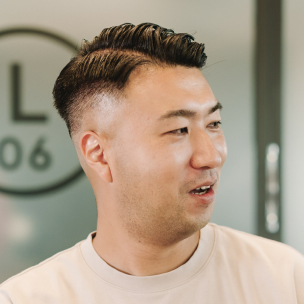
Yoshiharu Kuga
Leader, Service Operation Team, Service Planning Department, Service Operating Division, Business Operations Groups
Started his career as an engineer, worked on business process design and new business development at Recruit, and served as a product manager at a SaaS startup before joining PayPay.
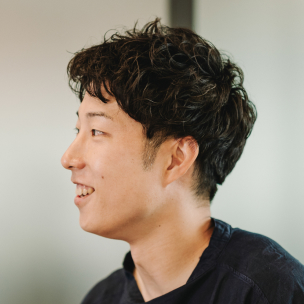
Yuya Kohara
Leader, Operation Support Team, Service Planning Department, Service Operating Division, Business Operations Group
After working for a general trading company where he was involved in the management of automobile distribution companies in Ukraine and Russia, Kohara-san worked for UNIQLO in promoting operational efficiency in overseas stores before joining PayPay.
Service Planning Department Works Hand in Hand with Teams Involved in Planning to Improve Operations and Efficiency
Tell us about your background and why you joined PayPay
Kuga:
I started my career as an engineer and worked in system development and as an IT director before joining Recruit, where I worked on a wide range of tasks including business process design. After that, I worked as a product manager at a SaaS startup company. After experiencing both large companies with 10,000 employees and a start-up with a few dozen employees, I was looking for an opportunity to work on a business with a large social impact in a fast-paced environment. That is when I came across PayPay. Since I was considering relocating to my hometown as my kids grew up, I was especially drawn to PayPay’s flexible work style, which allows employees to choose where they work in Japan based on their roles and responsibilities.
Kohara:
After working for a general trading company where I supported the management and investment decision-making of automotive distribution companies in Ukraine and Russia, I worked for UNIQLO where I was responsible for promoting operational efficiency in and outside Japan and helping overseas stores install self-checkout machines. I decided to join PayPay because I was attracted by the opportunity to work from the Kansai region, thanks to the company’s flexible working style that enables employees to be based where they can perform best. I also liked the new values that it provides to society.
Tell us about your work and mission
Kuga:
Our mission at the Service Planning Department is to improve and streamline operations for the teams involved in planning services and projects by working together with them to build internal operations for the services and providing support. This would allow teams at PayPay to focus on their core tasks or something more creative.
The Service Operation Team that I lead works closely with the planning teams from the early stages of designing a new service to prevent unnecessary operations. Even when operations are necessary, we provide support to make sure to minimize them through automation and reduce risks of incidents and launch delays. Our mission is to maximize the impact on the company’s business through such collaboration and support, and there have been cases where we contributed to cost reductions worth tens of millions of yen.
Kohara:
The Operation Support Team, of which I am the leader, takes over the small operations and other tasks for other teams and works to automate and improve the processes. As of 2024, we have already taken on more than 1,000 hours/month of work and achieved cost savings of several million yen per month. Our goal is to contribute to the stability of business and services by eliminating unreasonable and unnecessary operations from the perspective of company-wide optimization, and to allow members of the planning teams to focus on their core duties, which in turn contributes to the overall bottom line of the company.

Taking the Lead to Solve Operational Issues across the Company
Do you have any particularly memorable projects? What difficulties did you face?
Kohara:
I think the project for invoicing for outstanding receivables remains memorable to me. PayPay issues invoices to merchants with unpaid balances, but we increased the number of issuances severalfold by introducing the system for early collection of receivables. However, the data required for the system had to be manually prepared, and the creation of management lists and other deliverables was time consuming and challenging.
The toughest part was executing around 160 tasks within the first four business days of each month.
We started by asking responsible teams about the task details and then had a week-long workshop with the project members to take inventory of the tasks. We performed the tasks ourselves to determine which ones were unnecessary or could be automated, and then identified each task. As a result, we were able to reduce the operation time to less than one-fifth, eliminate unnecessary deliverables, and revamp the approval process, which was a huge success for us.

What do you find most rewarding about your job?
Kuga:
The highlight of this job is being able to promote solutions to business issues through discussions with members of various departments across the company. As I am involved in important projects as the main operation PIC, I have many growth opportunities, which I find very rewarding.
I also enjoy the fact that I can raise my hand and take on the challenge of working on new systems and projects. The atmosphere is one in which challenges are welcomed, and I have support from other members. PayPay provides an environment where I can get out of the box and create new value.
Kohara:
When I am able to pick up the tasks from other teams in a reasonable and efficient manner, I am often thanked and find it rewarding. I am also motivated by the fact that as I improve various tasks within the company, I can notice connections and seeds of improvement that I would not notice if I was only working in my own team.
I make sure to collect ideas for efficiency improvement on a daily basis in order to make good proposals. The best part is that there are so many opportunities to try them out.
Proactive Communication as a Professional
What is the team’s vibe like?
Kuga:
PayPay is a company of professionals in their respective fields. The members of the Service Planning Department come from different industries, including finance, consulting, and mega-venture businesses, and we are able to leverage our individual strengths in promoting projects. We give our best in our work, and outside of work, we create many opportunities to deepen teamwork through drinking parties and events.
Kohara:
The members are friendly, and you find it easy to ask questions in the team. We sometimes enjoy having small talks as well. If you find any issues, you can propose a solution regardless of when you joined the company, giving full rein to your strengths.
A mentor will be assigned to you when you join the company, and 1-on-1 meetings will be set up so that newcomers can get used to the work smoothly. I started off with the intention of operating at full capacity from Day 1 at PayPay, and was actually able to fully commit to the work within a week or so.
Kuga:
From the time I joined the company, I also thought, “Let’s just give a full commitment as soon as possible,” and started to proactively take action. In fact, I have the impression that many of the team members are also self-motivated, and if there is an opportunity, they go out and grab it themselves.
What do you keep in mind in your everyday communication?
Kohara:
Since I usually work remotely, I try to respond to messages immediately, turn on the camera as much as possible during meetings, and explain complex content not only verbally but also through diagrams and text to make sure that everyone is on the same page.
And I also consider it important to meet up offline in person to build relationships. This is because taking the time to come to the office to see each other face-to-face makes it easier to cooperate with various teams.
Kuga:
While we mainly work remotely, I also organize opportunities for face-to-face interactions, such as team-building activities and business trips to our Tokyo and Kyushu offices. These moments help strengthen communication and trust across the team.
Also, I make sure to communicate with an open mind, both remotely and offline. I believe that creating an atmosphere in which people feel comfortable asking questions generates speed, which in turn leads to business results.

Operational Reforms That Generate Profits
Please tell us your goals and visions for the future.
Kuga:
My goal is to continuously create better services and support them through operations. As a new form of contribution, I will take on the issues in new areas centered around operations to support teams involved in providing the services. In the future, I would like to take on the challenge of collaborating with other group companies and creating synergies with them.
Kohara:
In addition to fulfilling the expected roles of our team, I want to cultivate a culture where we can actively explore and experiment with new ways of working that can dramatically change the way we work. I hope that it helps spread this positive vibe to those around me.
Finally, please share a message with the readers!
Kuga:
PayPay is an ideal environment for those who want to continue to take on new processes and projects as a professional. We would love to work with those of you who want to create unprecedented new value with your own hands.
Kohara:
The company as a whole is growing rapidly, and I am sure that those who can enjoy the changes in the environment, and who can be proactive, utilizing the style of work they have cultivated up to now, will be able to play an active role and contribute to the business.
Current job openings
*Job openings and employee affiliations are current as of the time of the interview.